Hpw to Get From Lima to Machu Picchu 2026
From Lima to Machu Picchu, the journey is part of the experience.
Unlike many destinations in Peru, Machu Picchu is not accessible by a single direct route. Travelers must pass through Cusco and combine flights, road transfers, and trains to reach the ancient Inca citadel, a journey shaped by the region's mountainous terrain and transportation layout.
This guide explains how to travel from Lima to Machu Picchu in a clear, step-by-step way, with a focus on the most practical routes, key transfer points, and seasonal changes, helping first-time visitors plan their Peru trip with confidence.
Route Overview: Lima to Machu Picchu
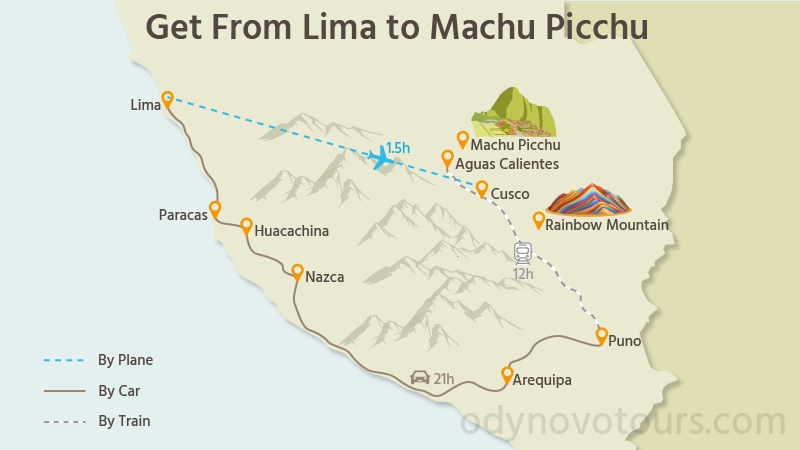 Map of Routes From Lima to Machu Picchu
Most trips from Lima to Machu Picchu follow a three-stage journey. Travelers first fly from Lima to Cusco, the historic capital of the Inca Empire and the main transit hub of the region. From Cusco, the route continues through the Sacred Valley by road to reach a railway station, followed by a scenic train ride to Aguas Calientes, the town at the base of Machu Picchu. A short shuttle bus ride then connects Aguas Calientes with the entrance to the archaeological site.
This multi-stage structure remains the same year-round, although specific train stations and transfer methods may vary by season.
Getting from Lima to Cusco
Cusco is the main gateway to Machu Picchu, and nearly all journeys begin with travel from Lima to Cusco. The most practical way to make this trip is by air.
 Cusco Airport
Flights from Lima to Cusco operate frequently throughout the day and take about 1.5 hours, making them far more efficient than overland travel. While buses are available, the journey can take more than 20 hours and is generally unsuitable for travelers on limited schedules. However, it is also possible to arrange a private car. The report of the Peru Tourism Board shows that taking a ride from Lima to Cusco is three times less likely to be affected by altitude than flying to Cusco. I recommend you take a ride if you are worried about altitude sickness. We can schedule the route for you to make sure that you won't miss any exciting points. Don't hesitate to contact us to design your Peru tour.
Cusco sits at an altitude of over 3,300 meters (10,800 feet). Many travelers choose to arrive by plane and allow time in Cusco to adjust to the elevation before continuing toward Machu Picchu. This short stop also provides an opportunity to explore the city and prepare for the next stage of the journey
How to Travel from Cusco to Machu Picchu
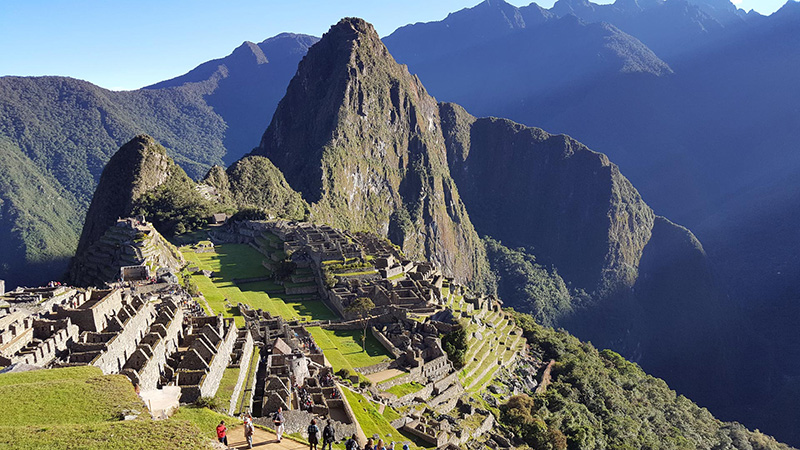 Machu Picchu, Peru
Traveling from Cusco to Machu Picchu involves multiple stages rather than a single direct connection. This is mainly due to the region's mountainous terrain and conservation regulations that limit road access near the archaeological site. As a result, travelers typically combine road transfers, train journeys, and a short shuttle ride to reach Machu Picchu.
Understanding how these segments fit together helps avoid confusion, especially when choosing train stations and planning around seasonal changes.
Why There Is No Direct Route from Cusco to Machu Picchu
Machu Picchu is located in a remote river valley surrounded by steep mountains, with no direct road access from Cusco. To protect the site and its surroundings, vehicle traffic is restricted, and rail transport is the primary way to reach the nearby town of Aguas Calientes. Cusco itself is not situated on the main railway line, which is why road transfers are required before boarding a train.
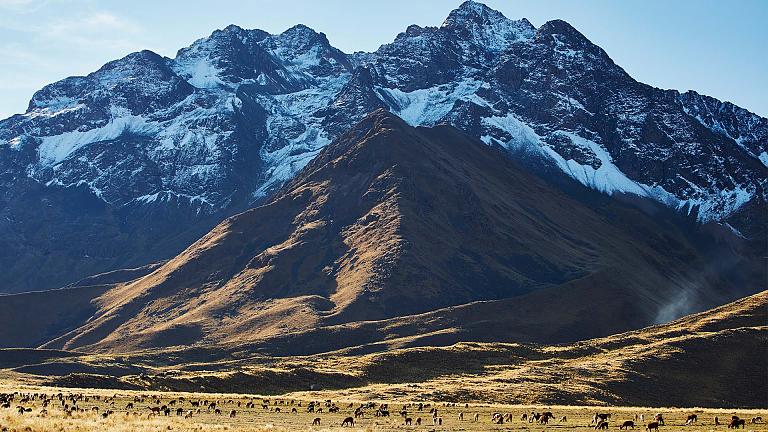
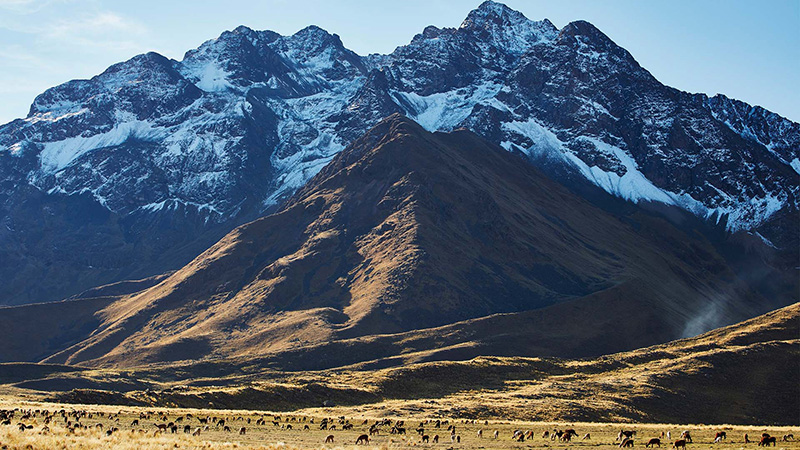 Andes Mountains
Key Locations Along the Route
Several locations play distinct roles in the journey from Cusco to Machu Picchu:
Aguas Calientes (Machu Picchu Pueblo)
This is the closest town to Machu Picchu and the final stop for all trains. It is also the only place where overnight stays are permitted near the site. From here, shuttle buses run to the entrance of Machu Picchu.
Ollantaytambo Station
Located in the Sacred Valley, Ollantaytambo is the most commonly used railway station for travel to Machu Picchu. Most travelers reach it by road from Cusco before continuing by train.
Poroy Station
Poroy is a smaller station located near Cusco and operates on a seasonal basis. Its availability depends on weather conditions and railway schedules.
The Most Practical Route for Most Travelers
Given the layout of the rail network, the most practical travel structure follows this sequence:
Cusco → Ollantaytambo (by road) → Aguas Calientes (by train) → Machu Picchu (by shuttle bus)
This route balances accessibility and travel time while working within the region's transportation limitations. The train journey through the Sacred Valley is also known for its scenic views, making it a key part of the overall experience.
Seasonal Adjustments During the Rainy Season
During Peru's rainy season, generally from January 2 to April 30, train operations are adjusted for safety and maintenance reasons. Trains do not operate between Ollantaytambo and Poroy during this period, and travel between Cusco and the Sacred Valley is completed by road instead.
These adjustments affect transfer methods rather than the overall travel structure. Regardless of the season, travelers still reach Machu Picchu via Aguas Calientes, with road and rail segments arranged accordingly.
Other Ways to Reach Machu Picchu
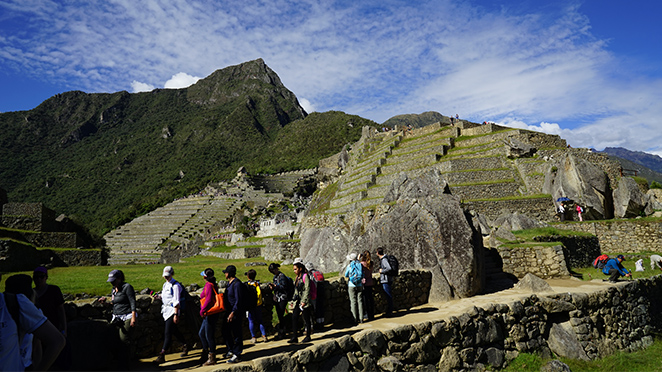 Trekking to Machu Picchu
While most travelers use the standard road and train combination from Cusco, there are alternative routes for those seeking a more immersive or physically active experience.
The classic Inca Trail is a multi-day trek that passes through stunning mountain landscapes and archaeological sites before arriving at Machu Picchu. Hikers typically take four days to complete the trail, which requires advance permits that are limited and often sell out months in advance. This option is suited for travelers in good physical condition and those looking for a historical and scenic experience.
The Salkantay Trek offers a longer and higher-altitude alternative to the Inca Trail. Usually completed in five days, it passes through remote Andean landscapes and ends in Aguas Calientes. This route is popular among trekkers who prefer less crowded trails and more diverse natural scenery.
Other treks, such as the Lares Trek, combine cultural experiences in local villages with scenic hiking. These routes vary in duration and difficulty, providing alternatives for travelers seeking off-the-beaten-path experiences.
All of these alternatives ultimately converge in Aguas Calientes, from which travelers continue to Machu Picchu by shuttle bus, maintaining the final leg consistent with the standard route.
Related Articles
Hiking Guide From Cusco to Machu Picchu: 3 Trekking TrailsTime and Travel Considerations
Planning enough time is key when traveling from Lima to Machu Picchu. While the journey itself can be completed in a few days, allowing extra time improves comfort, altitude adaptation, and overall experience.
| Transportation | Duration (approximately) | |
| Lima to Cusco | Flight | 1 hour 15 minutes |
| Bus (Direct) | 22 hours | |
| Bus From Lima to Cusco (Stops in other cities) | 29 hours | |
| Cusco to Aguas Caliantes | Airport to Train Station | 30 minutes to 1 hour 45 minutes |
| Train | 1 hour 30 minutes to 3 hours 30 minutes | |
| Hiking | 2 to 7 days, depending on your choice | |
| Aguas Calientes to Machu Picchu | Bus | 30 minutes |
| Hiking | 2 hours |
Recommended Time Allocation
- Lima to Cusco: 1 day (flight plus arrival time)
- Cusco and Sacred Valley: 1–2 days to adjust to altitude
- Machu Picchu: 1 day for the visit
- Return travel: 1 day
Most travelers spend 5 to 7 days to complete the full journey at a comfortable pace.
Approximate Travel Costs
Travel costs from Lima to Machu Picchu vary depending on transportation type, season, and booking time. Flights between Lima and Cusco generally range from USD 60 to 150 one way. Train tickets between the Sacred Valley and Aguas Calientes typically fall between USD 70 and 200, depending on service level and availability.
Additional expenses may include ground transfers, shuttle buses to Machu Picchu, and entrance tickets. These figures are provided as general references and may change based on demand and travel season.
Altitude Considerations
Cusco sits at a high elevation, and mild altitude symptoms are common for first-time visitors. Spending at least one night in Cusco or the Sacred Valley before continuing to Machu Picchu helps the body adjust.
Related Articles
How to Avoid Altitude Sickness in PeruSeasonal Factors
Weather conditions affect visibility and transportation. The dry season offers clearer views, while the rainy season may involve schedule adjustments, particularly for trains. Regardless of season, advance planning is essential due to limited access to Machu Picchu.
Sample Itineraries from Lima to Machu Picchu
4-Day Overview Itinerary
- Day 1: Fly from Lima to Cusco
- Day 2: Travel through the Sacred Valley and continue to Aguas Calientes
- Day 3: Visit Machu Picchu and return toward Cusco
- Day 4: Depart Cusco
This outline suits travelers with limited time who prefer a focused visit.
6-Day Classic Itinerary
- Day 1: Arrival in Cusco
- Day 2: Cusco city exploration and altitude adjustment
- Day 3: Sacred Valley and train to Aguas Calientes
- Day 4: Machu Picchu visit
- Day 5: Return to Cusco and free time
- Day 6: Departure
This itinerary balances sightseeing with a relaxed pace.
8-Day Extended Itinerary
- Day 1–2: Cusco and nearby sites
- Day 3–4: Sacred Valley exploration
- Day 5: Train to Aguas Calientes
- Day 6: Machu Picchu
- Day 7: Return to Cusco
- Day 8: Departure
Ideal for travelers who want more flexibility and deeper exploration.
Recommended Tours
-
 Peru Andean Culture Tour With Inca Wonders9 DaysLima, Puno, Lake Titicaca, Cusco, Machu PicchuExplore This Tour
 -
Luxury Peru Tour: Inca Ruins & Amazon Rainforest11 DaysLima, Cusco, Machu Picchu, Amazon River CruiseExplore This Tour
-
-
Peru Adventure Tours With Inca Trail Hiking11 DaysLima, Cusco, Sacred Valley, Aguas Calientes, Machu Picchu, PunoExplore This Tour